 Tick Control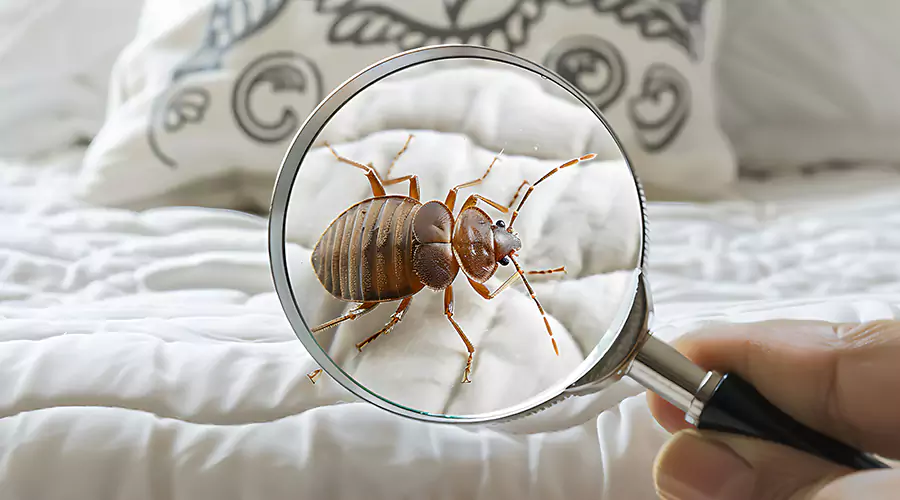
 Google Reviews
 (671)
(671)


Proudly American

 Termite Control
 Bed Bug Treatment
 Rodent Control
 Cockroach Control
 Ant Control
 Mosquito Control
 Bee Control
 Wildlife Control
 Exterminator Control
Bed bugs can be stressful because they are small, sneaky, and difficult to find early. Many homeowners do not realize they have a bed bug infestation until bites, stains, or repeated sightings become noticeable. Bed bugs hide in tight spaces and usually come out when people are resting, which makes them harder to detect during the day.
A bed bug problem should never be ignored. These pests can spread from one room to another through furniture, clothing, bedding, bags, and small cracks. They do not damage wood like termites or chew wires like rodents, but they can create discomfort, stress, sleep problems, and repeated pest activity if not treated properly.
Knowing the warning signs of bed bugs can help you act early and prevent the infestation from spreading.
Bed bugs are small insects that feed on blood. They are usually reddish brown, flat, and oval shaped. Adult bed bugs are visible to the eye, but young bed bugs can be much smaller and harder to notice.
Bed bugs are often found near sleeping and resting areas because they come out when people are still for long periods. However, they can also hide in furniture, wall cracks, curtains, baseboards, luggage, and nearby clutter.
They are not a sign that a home is dirty. Bed bugs can enter clean homes, hotels, apartments, dorms, offices, and other spaces by traveling on belongings.
Bite marks are often one of the first signs people notice. Bed bug bites may appear as small red bumps, itchy spots, or lines of bites on exposed skin. They often show up on arms, legs, shoulders, neck, hands, or face.
However, bites alone do not confirm bed bugs. Some people react strongly, while others may not show visible marks at all. Other insects can also cause bites. If you have repeated bite marks and other signs are present, bed bugs may be the cause.
Tiny blood stains on bedding can be a warning sign of bed bugs. These stains may happen when a bed bug is crushed after feeding or when a bite spot leaves a small mark.
Check sheets, pillowcases, blankets, and mattress covers. Blood stains may appear as small red, brown, or rust colored spots. If these stains keep appearing, inspect the bed area more carefully.
Bed bugs can leave dark spots, which are often droppings. These spots may look like tiny black or dark brown marks. They may appear on mattress seams, box springs, bed frames, headboards, furniture, baseboards, or walls near the bed.
Dark spotting is one of the most important signs of an infestation. If you see clusters of small dark marks near sleeping areas, it is time to inspect closely or call a pest control professional.
As bed bugs grow, they shed their outer skins. These shed skins may look like pale yellow or light brown empty shells. They are often found near places where bed bugs hide.
Look for shed skins around:
Shed skins usually mean bed bugs have been growing and developing nearby.
Bed bug eggs are very small, light colored, and difficult to see. They are often placed in hidden cracks, seams, and protected areas. Because they are so small, homeowners may miss them during a quick inspection.
Eggs are commonly found near mattress seams, furniture joints, headboards, and cracks near sleeping areas. If eggs are present, the infestation can continue growing even if some adult bed bugs are removed.
This is one reason professional treatment is often needed.
Seeing a live bed bug is a clear sign that action is needed. Bed bugs may be found on mattresses, bed frames, couches, chairs, curtains, baseboards, and luggage. They may move quickly when exposed to light.
Adult bed bugs are usually about the size of an apple seed. After feeding, they may appear larger and more reddish. Younger bed bugs may be smaller and lighter in color.
If you find one bed bug, do not assume it is the only one. Inspect nearby areas and avoid moving items to other rooms.
A strong bed bug infestation may create a musty or slightly sweet odor. This smell comes from scent glands and may be more noticeable in heavily infested rooms.
Odor alone is not enough to confirm bed bugs, but it can be another clue when combined with stains, bites, shed skins, or live insects.
Bed bugs prefer tight, protected spaces close to where people rest. They are not limited to beds, even though the name suggests it.
Common hiding spots include:
A complete inspection should include the bed and nearby furniture, not just the mattress surface.
Bed bugs often travel on belongings. They can move from hotels, apartments, dorms, used furniture, public transportation, shared laundry areas, and visitors’ items.
Common ways bed bugs enter homes include:
Because bed bugs are excellent hitchhikers, even careful homeowners can bring them inside by accident.
If you think you have bed bugs, avoid actions that can spread them. Many people panic and move bedding, furniture, or clothing to other rooms. This can make the infestation harder to control.
Avoid these mistakes:
Sleeping in another room can cause bed bugs to follow you and spread to new areas.
Call a pest control company if you see live bed bugs, repeated bites, blood stains, dark spots, shed skins, or eggs. Professional inspection is important because bed bugs hide in small areas and can be difficult to eliminate with DIY methods alone.
A pest control expert can confirm whether bed bugs are present, identify hiding areas, explain preparation steps, and create a treatment plan. Follow up service may be needed depending on the severity of the infestation.
Bed bug warning signs include bite marks, blood stains on sheets, dark spots on mattresses, shed skins, eggs, live bugs, and musty odors. These signs often appear near beds, couches, furniture, baseboards, and other resting areas.
If you suspect bed bugs, act quickly and avoid spreading items to other rooms. A professional inspection can confirm the problem and help stop the infestation before it becomes harder to control. Early action is the best way to protect your home, your comfort, and your peace of mind.